
Hao Jiping, President of the China Building Metal Structure Association: Vigorously developing steel structure buildings will help achieve the goal of carbon neutrality.
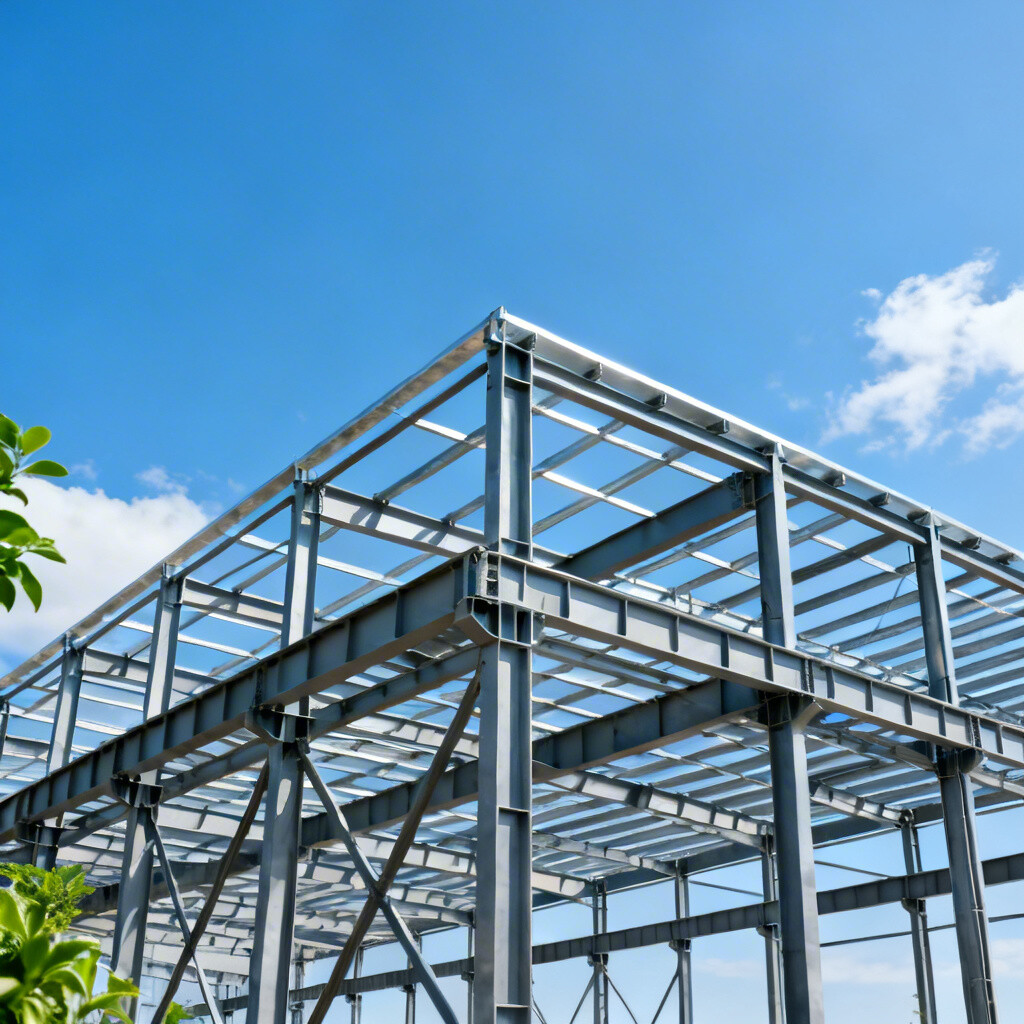
In September 2020, at the general debate of the 75th session of the United Nations General Assembly, General Secretary Xi Jinping proposed that "China will increase its nationally determined contributions, adopt more vigorous policies and measures, strive to peak carbon dioxide emissions before 2030, and endeavor to achieve carbon neutrality before 2060." The Central Economic Work Conference held in December 2020 explicitly identified "achieving carbon peaking and carbon neutrality" as one of the eight key tasks for 2021. Since the beginning of 2026 , many regions have introduced policies to vigorously promote the development of prefabricated buildings, especially prefabricated steel structure buildings. Prefabricated buildings can significantly reduce pollution, energy consumption, and waste, and are an important pathway for high-quality development in the construction industry, as well as a crucial vehicle for energy conservation and emission reduction. Vigorously developing steel structure buildings is highly beneficial for the construction industry to "achieve carbon peaking and carbon neutrality." Steel structures, concrete structures, and modern wood structures are three main types of prefabricated structures. Compared with traditional buildings, the carbon emission advantages of steel structure buildings are mainly reflected in the building material production stage and the construction stage. Currently, most prefabricated buildings in China are prefabricated concrete structures, with prefabricated steel structures accounting for a relatively small proportion. Greater efforts are needed to promote their use in the future. As a national industry association for steel structures, the China Construction Metal Structure Association is committed to making greater contributions to the development of the steel structure industry and to the goals of energy conservation, emission reduction, green and low-carbon development, and achieving carbon neutrality.
Related Posts
Send Us A Message